

History of the Crottefou Mill, Marigny-l'Église
The Crottefou mill: a history dating back to the 15th century
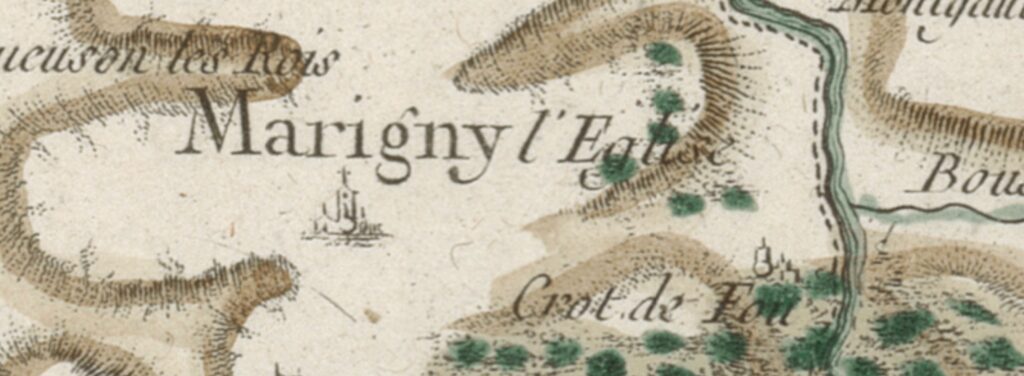
On the edge of the Morvan, between Quarré and Champmontain, lie lands where mills and forges have shaped the destiny of men for centuries. In 1422, Huguenin Coquart granted the Lord of Chastellux the release of the Crottefou mill, an act that marked the beginning of a long history.
The terrible winter of 1490 plunged the region into desolation, while the plague of 1519 ravaged Saulieu. In the 17th century, the Lord of Chastellux brought in people from Picardy to clear these wild mountains.
The Crottefou mill into the 21st century
In 1696, Vauban, born nearby in Saint-Léger, counted 175 houses in Marigny, home to 907 hard-working souls. The freezing winter of 1709 froze rivers and ponds. In 1793, three mills were seized from the Count of Chastellux, including the one in Crottefou, which was sold to Pierre Bachelin for 15,100 francs. The mill has survived the centuries, passing from hand to hand, witnessing the fires of 1846 that terrorised the Morvan region and the conflicts between millers and residents.
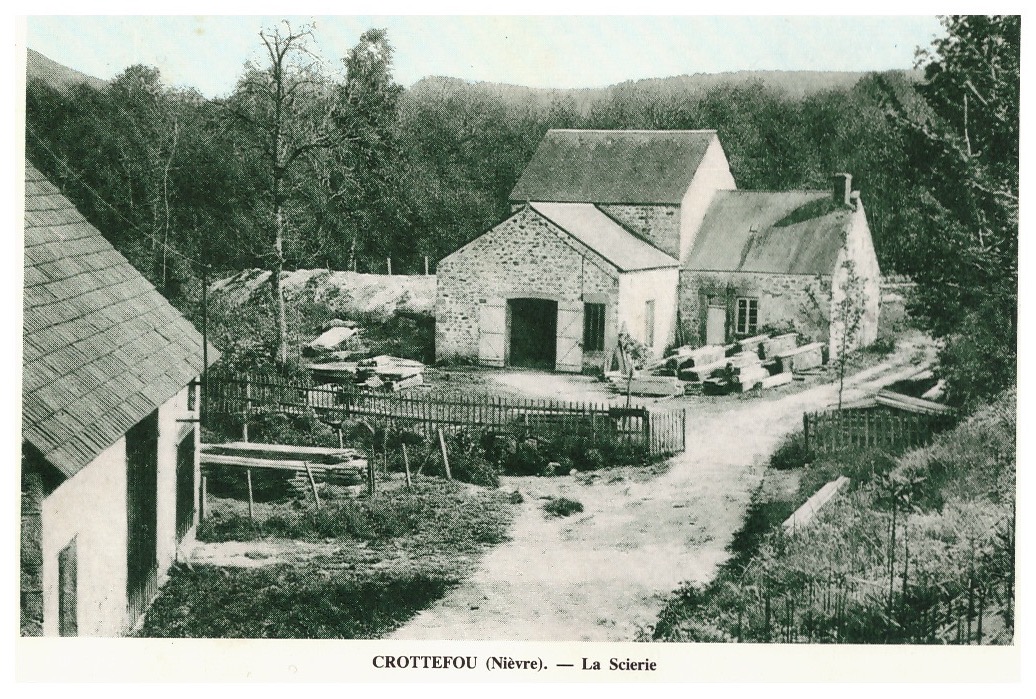
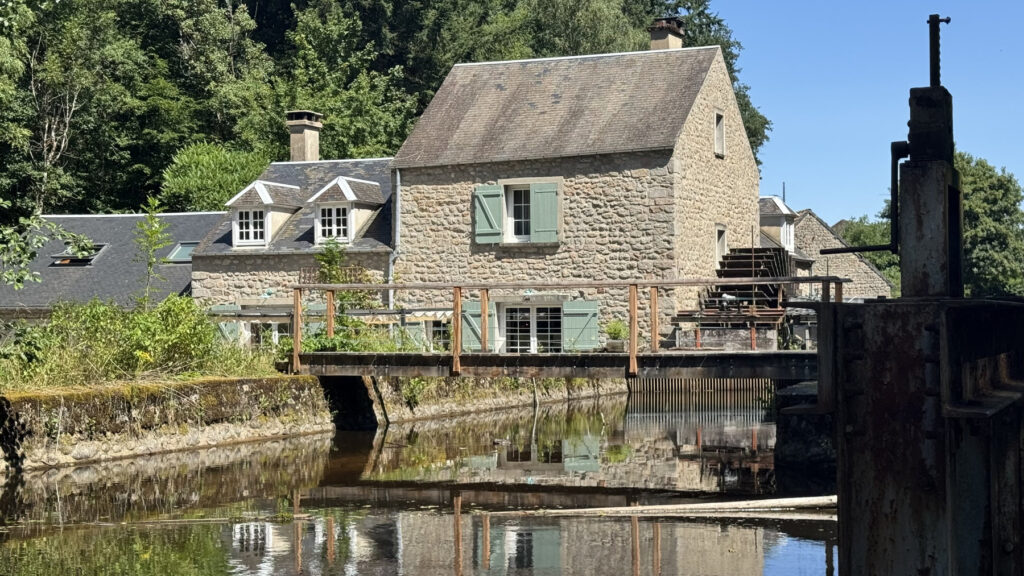
The mill operated as a grain mill until 1912, when it was converted into a sawmill, generating 336 francs. In 1958, Roger Camut sold it to Joseph Sanglier. Purchased in 1968 by the Derymackers, it was restored over a period of ten years and then sold to Jean-Philippe Fabre. In 2019, Fabre restored the mill to its original purpose by renovating the wheel to generate electricity.

Book our cottage in the heart of Morvan
Treat yourself to a moment of tranquillity at the Crottefou Mill. Book your stay starting today.